Short version: Oilfield monitoring is the sensors and software that tell you what happened on your wells when you were not on the lease. Everything else is commentary. This page walks through what monitoring actually is, what it actually costs, and what works for an independent running somewhere between two wells and two thousand.
What Oilfield Monitoring Actually Means
Strip away the acronyms and oilfield monitoring comes down to three jobs: see tank levels, see wellhead pressure, and get an alert when something moves outside the range you set. Everything a $250,000 SCADA system does, every dashboard a gas marketer sells you, every app the service company will happily bolt onto your leases — it all rolls up to those three jobs.
The honest question is not "do I need monitoring?" It is "what is the cheapest way to do those three jobs without hiring a controls engineer or running conduit to every tank battery?"
The Three Problems Monitoring Has to Solve
- Power. Most stripper and shallow-horizontal sites have no 120V on the lease. If your monitoring needs plug-in power, you are paying an electrician every time you move it.
- Connectivity. Half the wells in this country sit in cell dead zones. If your monitoring needs Wi-Fi or five bars of LTE, it will work in the yard and fail on the lease.
- Install complexity. If the manual says "hire a systems integrator," you already know how the first bill is going to read. A pumper or a field hand should be able to put it on the wellhead without a trip to town for fittings.
Every category of oilfield monitoring sold today either solves these three problems or quietly passes them back to you as line items on an invoice.
The Categories, Ranked by What They Actually Do
1. Full SCADA (Allen-Bradley, Emerson, Rockwell)
Purpose-built for big-volume horizontals where a day of lost production is five figures. Excellent at what it does. Not honest for a 3-well lease doing 12 BOPD.
2. Gas-marketer chart recorders and EFMs
Great for custody transfer on gas. Bad at telling you your water tank is sliding. They were never designed for the second job.
3. Tank strapping and manual gauging
Still the default for most independents. Free, except for the pumper's time, the truck, and the Thursday-afternoon discovery that the tank overflowed Monday.
4. Purpose-built operator IoT (where TinyPumper fits)
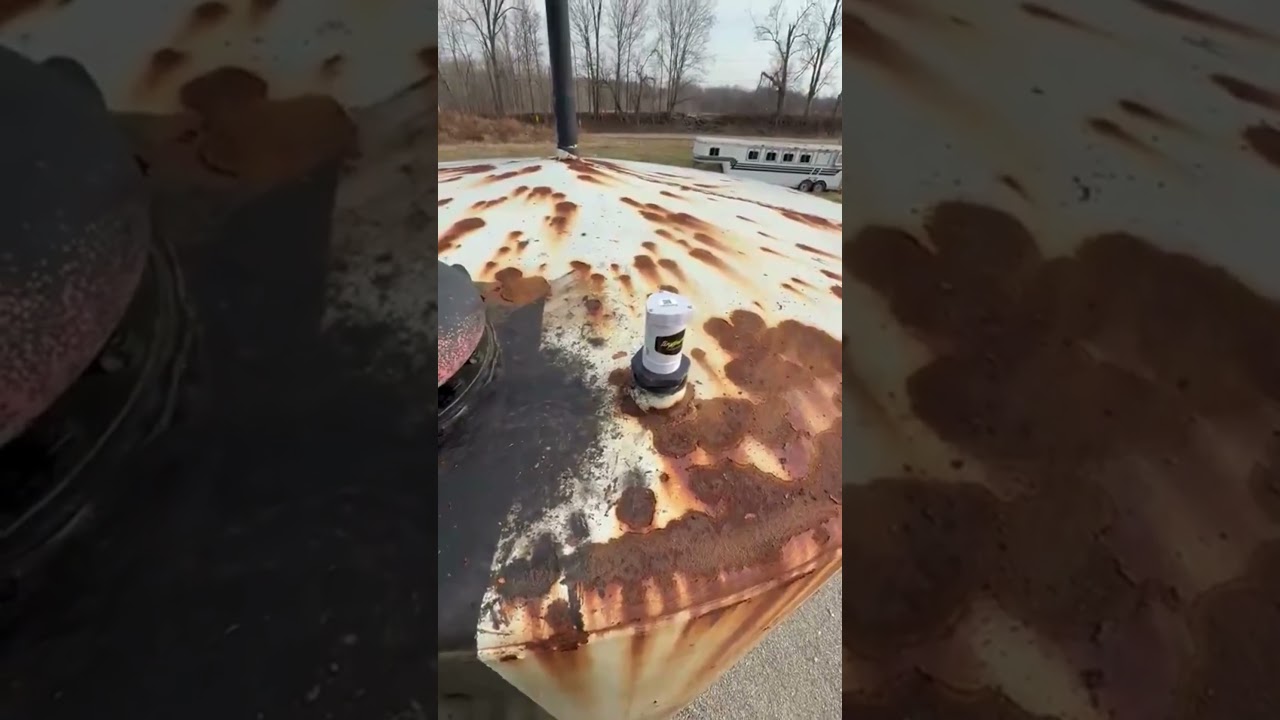
Matchbox-sized solar power gateway. Radar tank sensor that mounts on top of the tank. Wellhead pressure sensor. Cellular or satellite connectivity for dead zones. Self-install, no wiring, no SCADA cabinet, no controls engineer. Priced so a 10-well operator can put it on every site instead of picking one lease to "try it on."
What It Actually Costs
The dirty secret of this category is the software and service wraparound, not the hardware. A tank sensor is $200 of electronics. A SCADA-style rollout is $80,000 of engineering, install, and ongoing service contracts. A purpose-built operator IoT kit lands closer to the hardware cost because the install is yours and the software is flat-rate.
If you are running under 500 BOPD, the only question worth asking is: what does it cost per well, per month, including the install you do once? Anything framed as "per-sensor licensing" is not priced for you.
What Works for Independents
The independent's version of oilfield monitoring is the one that ships in a box, mounts in eight minutes, runs on the sun, and pings a text to your phone when a threshold trips. You already have a pumper. You already have a runtime in your head. You are not buying a control system — you are buying the eyes that show you what your pumper saw, on the days he did not make the run.
That is what TinyPumper builds, and it is built by the same team at Greasebook that has logged 220+ million barrels of production across 22 states over fifteen years. The monitoring hardware is the visible piece. The pattern — radar on top, pressure at the wellhead, matchbox gateway solar-powered on the tank battery fence — is the part that took the decade to get right.
Bottom Line
If you need a $250,000 SCADA system, you already know it, and your CFO already has a PO cut. If you are anybody else, what you want from oilfield monitoring is the three jobs solved at the lowest honest cost, with an install you can do yourself on a Saturday. That is the entire decision.